LETTER FROM THE CEO
Leading the transition
In 2025, Nordic Ferry Infrastructure continued to execute on its key strategic priorities. With an integrated Nordic operating platform established, we advanced landmark electrification and broader decarbonisation initiatives. As a technology-enabled maritime infrastructure leader, NFI is driving the transition to next-generation ferry transport.
Every generation depends on infrastructure that shapes how society moves and connects. In the Nordic region, waterways play a central role in daily transport, economic activity, and regional integration. At the same time, climate ambitions are accelerating, technology is reshaping maritime operations and expectations for safe, reliable and sustainable travel are rising. Heightened geopolitical uncertainty has further reinforced the importance of resilient domestic infrastructure. In this environment, NFI continues to strengthen its ferry services and operational platform, while reducing emissions and advancing long-term resilience.
When I look back on the past year, among what stands out is how we integrated operations in Norway, Sweden and Denmark under a shared operating platform. With strong brands like Torghatten and Molslinjen, the organisation has transitioned from building structure to operating as one coordinated Nordic group under NFI. I have seen first-hand the dedication and delivery capability demonstrated by our employees and stakeholders throughout this process. The value of our strategy is increasingly visible in daily operations, through coordinated investments, harmonised technical and safety standards, shared digital infrastructure and disciplined capital allocation.
Our financial performance remained stable throughout the year, supported by growing passenger volumes and cost control. Revenue reached 9 BNOK in 2025 with an underlying growth of 2.7% vs 2024, while our adj.EBITDA margin increased to 31%.
The decarbonisation of the Kattegat route in Denmark represents a landmark initiative, both for NFI and for maritime transport more broadly. At the global climate summit COP30 in Belém, Brazil, the electrification of maritime transport in Denmark was highlighted internationally as a model to follow on the path towards climate targets. Molslinjen´s order for battery-powered giant catamarans for its Kattegat route is fully aligned with this direction, materially reducing emissions and future-proofing a critical transport corridor.
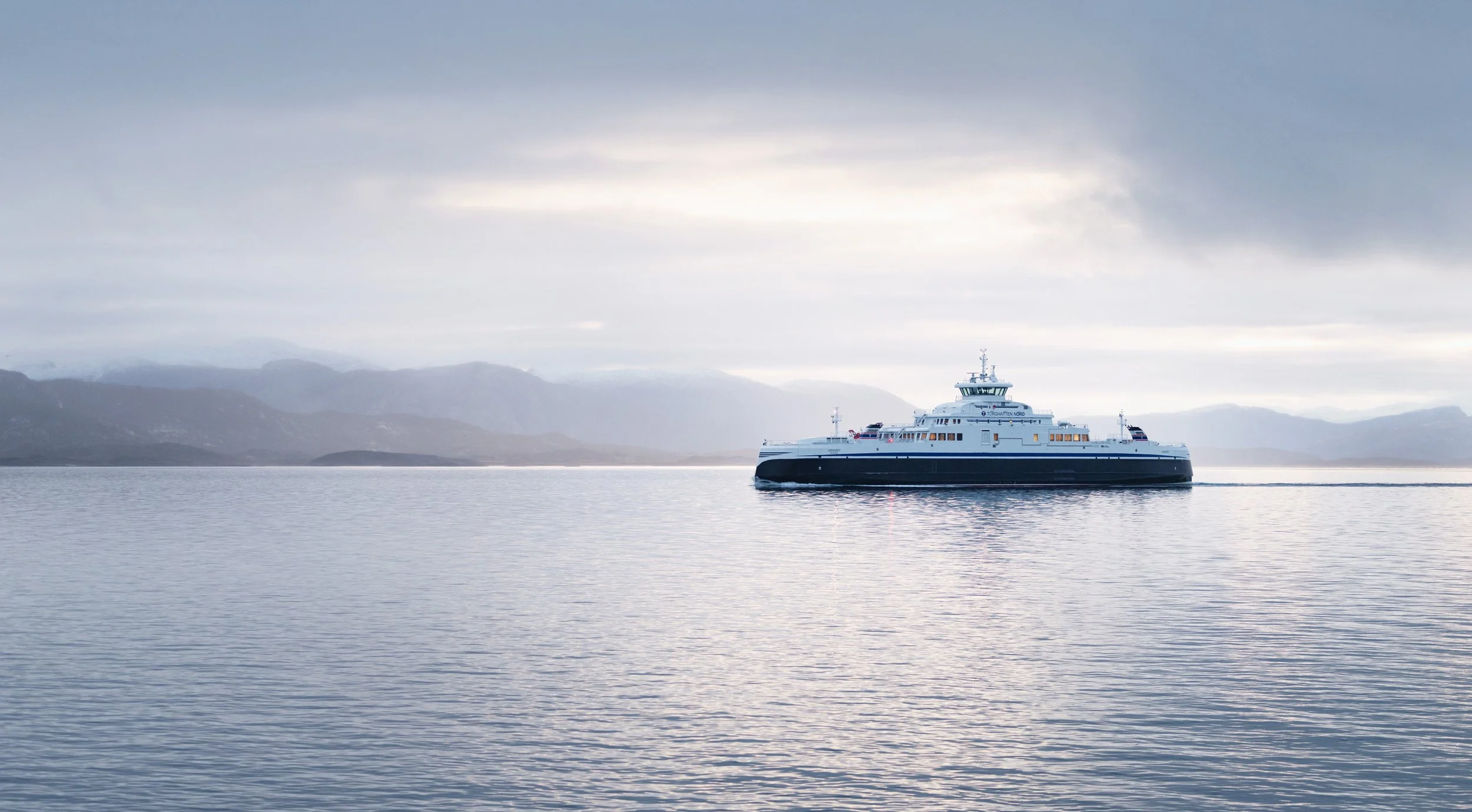
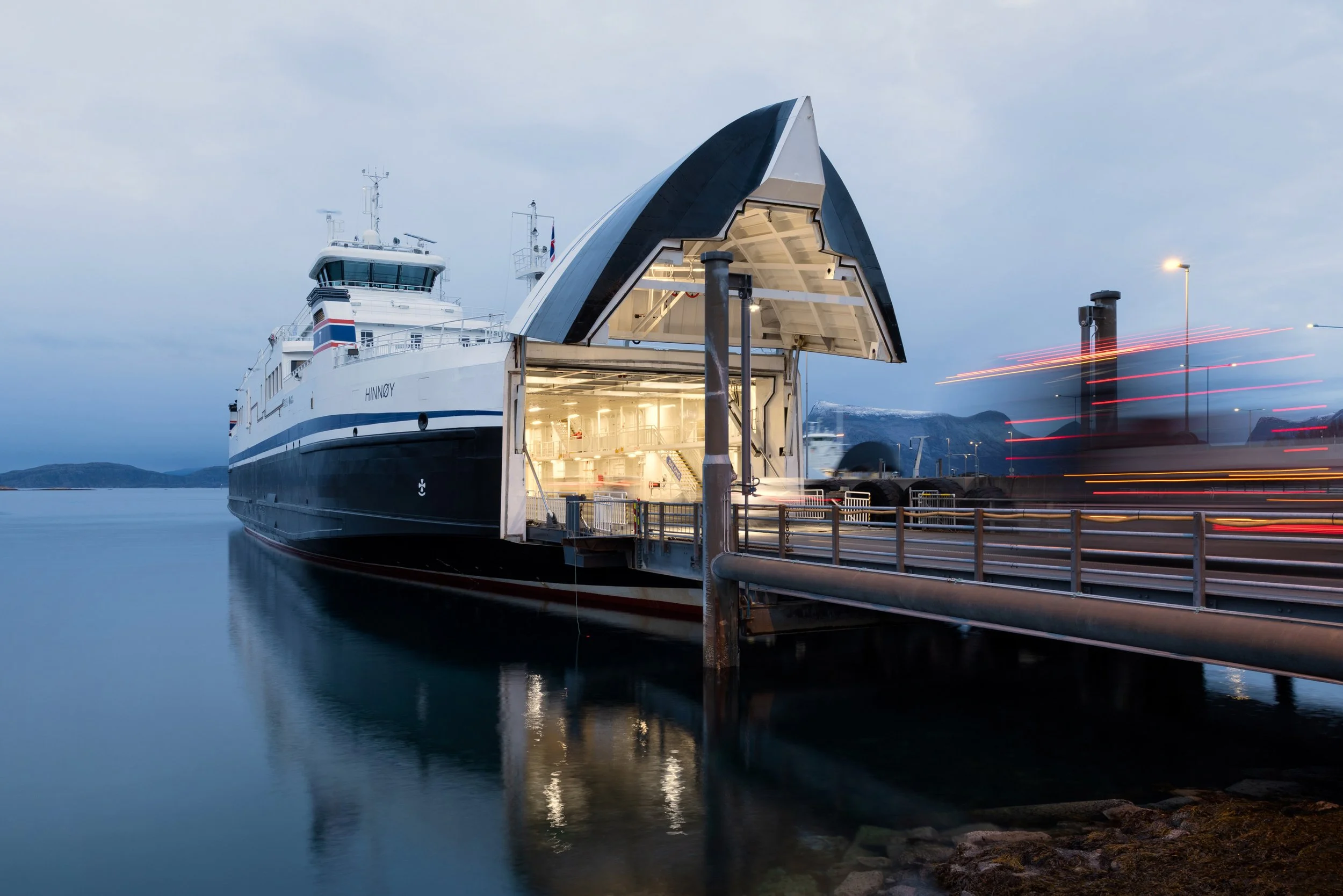
Beyond Kattegat, bringing fully electric vessels into regular service on long and weather-exposed routes such as Bognes–Lødingen, and on seasonal routes such as Samsø, required close integration of vessel design, charging infrastructure and energy management. These projects challenged established assumptions about capacity, speed and reliability in electric ferry operations. Through execution, we have developed operational standards and experience that now inform fleet planning and system resilience across the organisation.
In November 2025, Molslinjen received DKK 180 million in funding from the Danish Energy Agency, reflecting continuing institutional support for the green transition in maritime transport. Our express ferries were also specifically referenced in Denmark’s green tax reform, aimed at accelerating emissions reductions. In Norway, Torghatten continues its long-standing cooperation with the Norwegian Public Roads Administration, including the development of hydrogen ferries for the Bodø-Lofoten route, Norway´s longest and most weather-exposed ferry connection. Constructive dialogue with policymakers remains essential as transport policy and climate regulation evolve. Sustainable value creation requires predictability, stability and a clear framework for long-term investment.
As our role in the Nordic region
continues to expand, so do our responsibilities. I am confident in our direction, our operational platform and, most importantly, our people.
Looking ahead, the next phase of mobility will also be shaped by the systems that manage and connect them. We have strengthened our digital expertise and centralised IT development, accelerating NFI as a technology-enabled maritime infrastructure leader. In 2025, we established a group-wide IT & Digital strategy and a Centre of Excellence, improving scalability, operational resilience and data-driven decision-making. Technical solutions such as autonomy support, autodocking and anti-collision systems contribute both to safety and operational efficiency. Safety and incident reduction remain non-negotiable priorities. Lost Time Injuries below industry averages in Norway reflect continued focus on operational discipline, training and preventive measures across the fleet and onshore organisation.
Across the maritime sector, attracting and retaining qualified personnel remains a structural challenge. At NFI, we focus not only on strengthening competence, but also on supporting well-being and building an organisation where people can develop and perform. Initiatives such as “Unge Bølgebrydere” and “Be a Buddy, Not a Bully”, as well as participation in Sea Health & Welfare, contribute to strengthening culture and inclusion. At the same time, we are working actively to improve gender balance through leadership development and structured recruitment processes. Building a strong, capable and inclusive organisation remains essential to delivering on our strategy and supporting the long-term development of NFI.
As our role in the Nordic region continues to expand, so do our responsibilities. I am confident in our direction, our operational platform and, most importantly, our people. Our “floating bridges” are becoming ever more critical to economic stability, public services and everyday life. NFI’s scale and integrated Nordic platform allow us to deliver continuity across Denmark, Norway and Sweden, even in a more uncertain environment.
Finally, I would like to extend my sincere thanks to our passengers, employees, owners and other stakeholders for their continued commitment and trust. NFI will continue to invest, execute and lead. It is through our collective effort that we are building a greener, connected, and more resilient Nordic region.
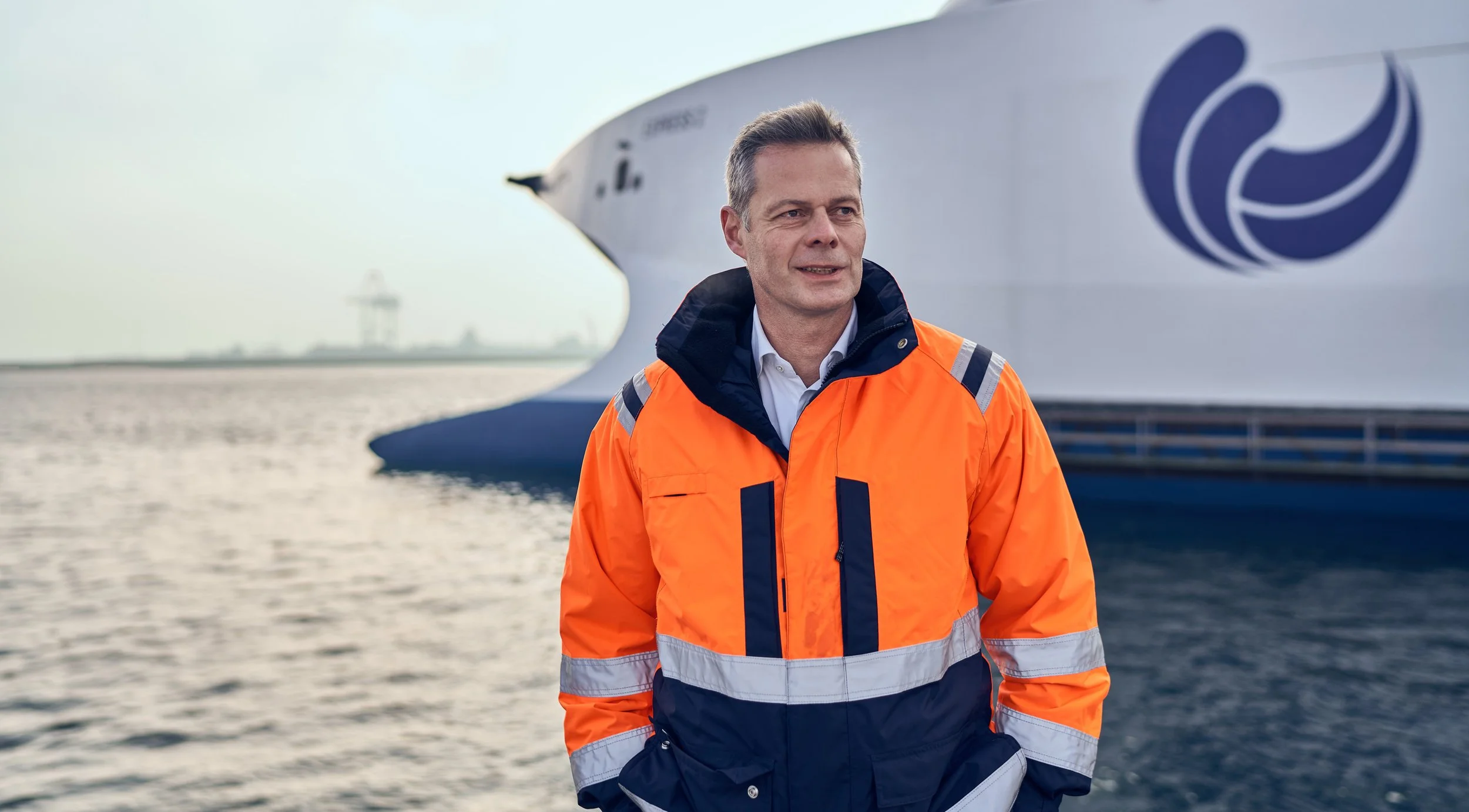
Carsten Jensen
CEO
With strong brands like Torghatten and Molslinjen, the organisation has transitioned from building structure to operating as one coordinated Nordic group under NFI.